Filter
Well-being area
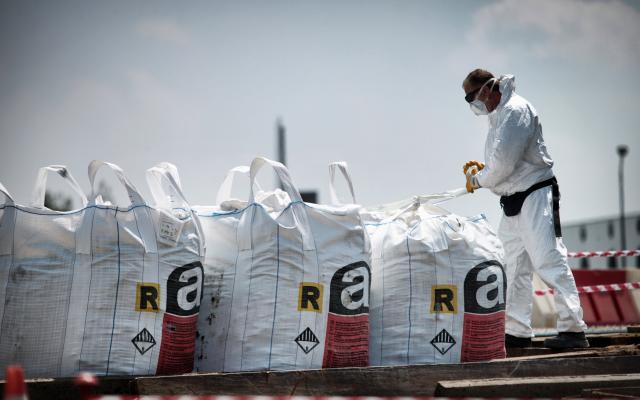
Asbestos Safety at Work: Royal Decree Publishes Amendment to the Codex
23 February 2026
New Asbestos Safety Legislation: What's Changing?
The Belgian Official Gazette recently published a new Royal Decree amending the Code on well-being at work, specifically regarding exposure to asbestos. This adjustment aims to strengthen the protection of workers and further limit the risks of health problems due to asbestos in work environments. In this article, we discuss the main changes, the impact on employers and employees, and what this new regulation means for compliance with existing well-being standards.
The Belgian Official Gazette recently published a new Royal Decree amending the Code on well-being at work, specifically regarding exposure to asbestos. This adjustment aims to strengthen the protection of workers and further limit the risks of health problems due to asbestos in work environments. In this article, we discuss the main changes, the impact on employers and employees, and what this new regulation means for compliance with existing well-being standards.

Is your company eligible for the return-to-work premium?
17 December 2025
Employers can claim a premium of 1,725 (amount valid on date of publication) euros when they hire an employee who has been incapacitated for work for at least one year. This is part of the measures laid down in the program law of December 26, 2022, which aims to encourage employers and employees to help long-term sick employees with their reintegration.

Reintegration & medical force majeure: what does the government agreement say about long-term sick people?
20 February 2025
The government agreement outlines the government's plans to restore the country's financial health. Getting more people into work is one of the key pillars. The aim is to reverse the annual increase in long-term incapacity for work. The government emphasizes the shared responsibility of all involved parties in this regard. A "Back-To-Work-barometer" will be created as a monitoring instrument. The goal is improvement at all levels: preventing health problems, preventing absenteeism due to health problems, and returning to work as quickly as possible in case of absenteeism. The aim is to increase the income difference between work and benefits, making working more attractive.

Change to working method for pregnant or nursing employees from high-risk activities as of January 1, 2025
5 December 2024
A government recommendation (FPS Employment, Labour Humanisation and Welfare at Work Supervision) of February 29, 2024, has changed the working method. Premed will implement this change on January 1, 2025.
Until 31/12/2024, Premed will still apply the old working method.
Until 31/12/2024, Premed will still apply the old working method.
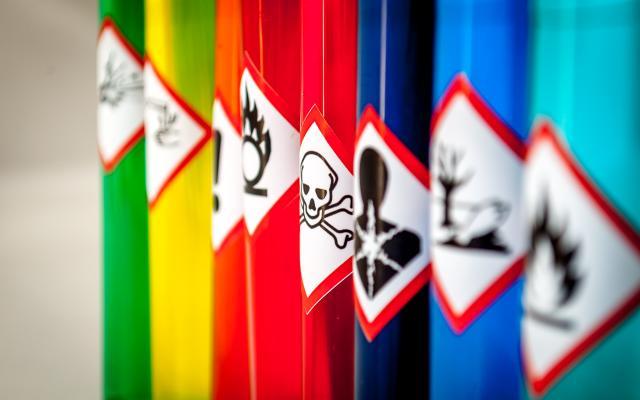
Adjustment of the regulations on chemical agents
11 December 2023
On December 4, 2023, an amendment was published in the Belgian Official Gazette concerning the safety of workers dealing with chemical substances. This Royal Decree introduces changes to the code on well-being at work.

Rights & obligations regarding breastfeeding breaks
11 December 2023
Did you know that every breastfeeding mother is entitled to a break at work for breastfeeding or pumping milk up to nine months after childbirth?! As an employer, you must provide a space for this.
Protection against endocrine disruptors
7 December 2023
In a continuous commitment to the health and well-being of employees, the government recently introduced groundbreaking legislation aimed at protecting employees from agents with hormone-disrupting properties.
24/08/2023 Deadline for training on diisocyanates
20 June 2023
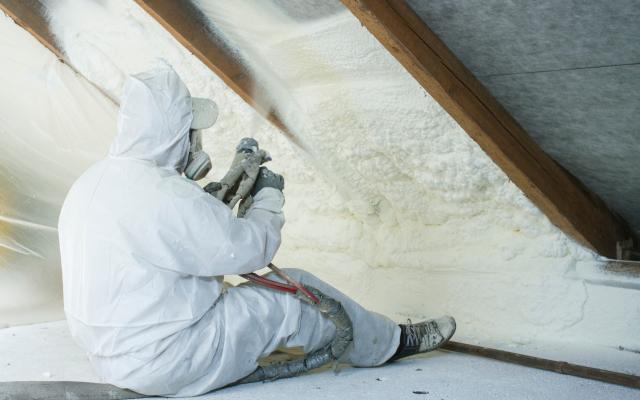
Diisocyanates are chemical products with many applications. Traditionally, a distinction is made between "aromatic diisocyanates" (such as MDI and TDI) and "aliphatic diisocyanates" (such as HDI, HMDI and IPDI).
Together with a polyol or polyether, diisocyanates react to form a polyurethane, which can be used in insulation foam, sealants, coatings, adhesives, etc.
Together with a polyol or polyether, diisocyanates react to form a polyurethane, which can be used in insulation foam, sealants, coatings, adhesives, etc.