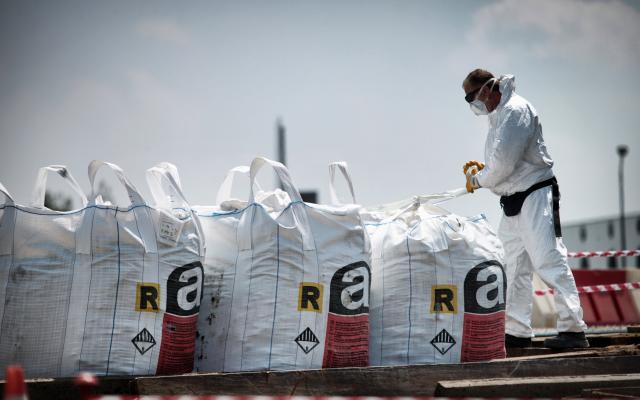
These amendments to the codex are aimed at substances known to be carcinogenic, mutagenic, reprotoxic (harmful to reproduction), and endocrine-disrupting. Article 723bis15 of the General Regulations for the Protection of Labour is also repealed.
Adjustment of limit values for hazardous substances
An important part of this Royal Decree is the revision of the exposure limit values for certain hazardous substances such as benzene, nickel, acrylonitrile, and inhalable crystalline silicon dioxide. In addition, the limit values for N,N-dimethylformamide and N-methyl-2-pyrrolidone are adjusted to align with the existing limit values of the REACH Regulation (Regulation (EC) No. 1907/2006).
- Benzene: The exposure limit for benzene is lowered. From April 5, 2026, a limit value of 0.2 ppm (parts per million) and 0.66 mg/m³ applies. Until April 5, 2026, the values are 0.5 ppm and 1.65 mg/m³ respectively.
- Acrylonitrile: For acrylonitrile, the limit value is tightened to 0.45 ppm and 1 mg/m³ from April 5, 2026. Until that date, the limits are 2 ppm and 4.4 mg/m³, with additional specific values for short-term exposure.
- Nickel compounds: The limit value for inhalable nickel (new, currently non-existent) will be 0.01 mg/m³ from January 18, 2025. The limit value for respirable nickel will be 0.1 mg/m³ until January 18, 2025, after which it will be lowered to 0.05 mg/m³ from January 18, 2025. Furthermore, nickel compounds now also (rightly) receive the designation “C” indicating their carcinogenicity.
- N,N-Dimethylformamide: A significant reduction in the exposure limit value for N,N-Dimethylformamide will be implemented, effective from December 12, 2023. The new limit values vary depending on specific uses and implementation dates.
- N-methyl-2-pyrrolidone: For N-methyl-2-pyrrolidone, the limit value is lowered to 3.6 ppm, with different transition periods for specific applications.
- Inorganic lead: The limit value for inorganic lead and its compounds remains unchanged at 0.15 mg/m³.
- Crystalline silicon dioxide: For crystalline silicon dioxide (quartz, tripoli, and other forms), the limit value is lowered to 0.05 mg/m³ from September 1, 2025. Until that date, the limit value remains 0.1 mg/m³.
Training requirements and reporting of occupational diseases
The Royal Decree also emphasizes the training requirements for handling diisocyanates. Furthermore, special attention is paid to the reporting of occupational diseases related to exposure to these hazardous substances. This includes cases of cancer or harmful effects on sexual function, fertility, and the development of offspring.
Repeal and integration of existing prohibitions
Article 723bis15 of the ARAB is repealed, whereby the prohibitions for the use of certain substances and mixtures previously included in this article are now integrated into other regulations, including the REACH and POP Regulations. This also means the end of the licensing system for certain applications of benzene.
Implementation of European directives
This Royal Decree is a step in the transposition of the provisions of EU Directive 2022/431, which focuses on the protection of workers against risks of exposure to carcinogenic or mutagenic agents. This directive hereby becomes part of Belgian law.
The new Royal Decree enters into force on December 14, 2023.
For information
The Royal Decree of 16 November 2023 amending the codex on well-being at work, concerning chemical, carcinogenic, mutagenic and reprotoxic agents and agents with endocrine-disrupting properties and repealing article 723bis15 of the General Regulations for the Protection of Labour was published in the Belgian Official Gazette of 4 December 2023.
On the website of the FPS WASO you can consult the following documents:
- the explanation of this Royal Decree (Adjustment of regulations on chemical agents | Federal Public Service Employment, Labour and Social Dialogue (belgie.be));
- the advice no. 256 of March 17, 2023, on the draft royal decree amending the codex on well-being at work, concerning chemical, carcinogenic, mutagenic and reprotoxic agents and repealing article 723bis15 of the General Regulations for the Protection of Labour (PDF, 144.5 KB).