What risks are there?

Occupational hygiene is more than just washing hands. By this term, we mean all environmental risks that can harm the health of your employees.

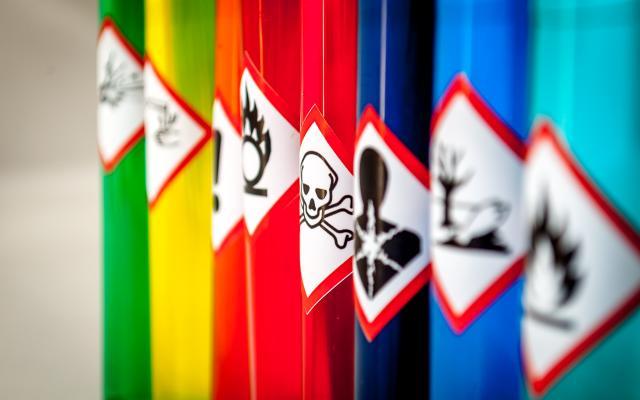
These can be very obvious risks, such as working with harmful chemicals or microorganisms in a laboratory. But equally, the existing risks can be inconspicuous, such as with mold formation or asbestos. Less extreme factors such as temperature fluctuations, noise pollution, and bright light can also disrupt the daily operations in your company. We analyse and advise on which safety measures should be taken.

Premed tracks them down with a risk assessment

To know whether exposure to certain risks is harmful, you conduct a risk assessment with Premed. In addition to a complete analysis of your working environment, we measure chemical, physical, and biological agents and evaluate exposure. Based on the results, we advise you on an appropriate prevention policy, which we also help to develop. You can further minimize risks with our professional training courses on these topics or with our handy prevention tools.

How can Premed help you?  

  • We inventory and evaluate environmental risks during the legally required risk assessment or during an additional measurement.
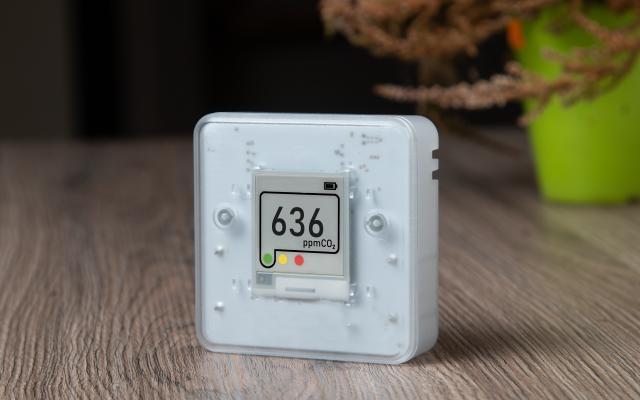
  • We measure physical, chemical, and biological agents in your workplace and also pay attention to ventilation and air circulation in your company. 
  • We advise on the purchase and use of personal protective equipment.
  • Upon request, we provide personal prevention advice that you can immediately use.

Frequently asked questions

Ventilate regularly by opening windows or using mechanical systems, keep the temperature stable to avoid condensation, perform frequent air quality measurements, and prevent moisture and mold formation. Avoid bothersome drafts by limiting air currents to below 0.16 m/s in winter and 0.19 m/s in summer.

An employer must systematically include the risks of exposure to artificial optical radiation (such as UV lamps, lasers, infrared sources, and welding arcs) in the risk assessment in accordance with the Code on Well-being at Work and check whether the exposure limit values are respected according to the guidelines of the Federal Public Service Employment, Labour and Social Dialogue.

If there are risks, he must take preventive measures according to the prevention hierarchy. In addition, the employer must inform and train employees about the dangers, provide warning signage where necessary, and organize health surveillance when the risk assessment shows that this is required.

Biological agents in the workplace are understood to be micro-organisms or their toxic products that can be harmful to the health of employees. This includes bacteria, viruses, fungi, parasites or toxins that may be present in the air, on surfaces or in materials with which employees come into contact.

Examples include: salmonella bacteria in food processing, hepatitis B or C viruses in healthcare, fungi in damp buildings, or Legionella bacteria in cooling and spraying systems.

Employers in Belgium must comply with the Codex on Well-being at Work, which imposes strict rules regarding the identification, inventory, and control of asbestos in the workplace. They are obliged to draw up and keep an asbestos inventory up to date, take preventive measures, inform and train employees, and, if necessary, cooperate with recognized asbestos removers according to the guidelines of the Federal Public Service Employment, Labour and Social Dialogue. In addition, they must prevent or limit exposure as much as possible, provide appropriate protective equipment, and organize health surveillance for employees who may be exposed to asbestos.

To determine whether you comply with the Code on Well-being at Work concerning chemical agents, you must verify whether a written and up-to-date risk assessment has been carried out, including all hazardous substances and exposure scenarios. In addition, you must check whether appropriate preventive measures have been implemented according to the prevention hierarchy (substitution, technical measures, collective protection, personal protective equipment), and whether labelling and safety data sheets are available and correctly applied in accordance with regulations. Finally, you must be able to demonstrate that employees are informed and trained and that, where required, health surveillance is organised in accordance with the guidelines of the Federal Public Service Employment, Labour and Social Dialogue.

Related news

co2 meter
27 February 2024

Do you use CO2 meters?

On Wednesday, February 21, 2024, the Belgian government published rules for the sale of portable CO2 meters, which measure indoor air quality.
Read more

Support via Premed

Greater wellbeing at work, that is what we aim for. Contact us for more info or a tailored quote!
Contact us
I am already a customer

Wondering what makes Premed that little bit different as an External Service for Prevention and Protection at Work (ESPPW)? Discover the many benefits of becoming a Premed customer now!

* Required field