Filter
Well-being area
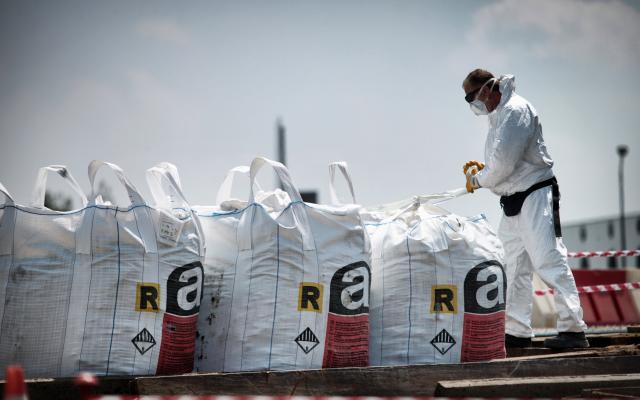
Asbestos Safety at Work: Royal Decree Publishes Amendment to the Codex
23 February 2026
New Asbestos Safety Legislation: What's Changing?
The Belgian Official Gazette recently published a new Royal Decree amending the Code on well-being at work, specifically regarding exposure to asbestos. This adjustment aims to strengthen the protection of workers and further limit the risks of health problems due to asbestos in work environments. In this article, we discuss the main changes, the impact on employers and employees, and what this new regulation means for compliance with existing well-being standards.
The Belgian Official Gazette recently published a new Royal Decree amending the Code on well-being at work, specifically regarding exposure to asbestos. This adjustment aims to strengthen the protection of workers and further limit the risks of health problems due to asbestos in work environments. In this article, we discuss the main changes, the impact on employers and employees, and what this new regulation means for compliance with existing well-being standards.

Direct participation in welfare policy
11 February 2026
Well-being at work in small businesses: practical approach without a committee
The well-being act obliges every employer – including in small businesses without a Committee for Prevention and Protection at Work (CPBW) – to promote the well-being of their employees. Involving employees simply and directly in the well-being policy is the key to a workable and legally compliant approach.
The well-being act obliges every employer – including in small businesses without a Committee for Prevention and Protection at Work (CPBW) – to promote the well-being of their employees. Involving employees simply and directly in the well-being policy is the key to a workable and legally compliant approach.

Reintegration and ergonomics: jointly building a sustainable return to work
11 February 2026
Long-term illness has a major impact on your organization. In addition to the human consequences, absence also brings organizational and financial challenges. A well-considered reintegration policy is therefore essential. At Premed EDPBW, we see daily how strongly reintegration and ergonomics are connected. An adapted workplace can make the difference between relapse and a sustainable return.

Don't forget indoor air quality during autumn!
3 September 2025
Winter is approaching, and that often means we prefer to keep the windows in the workplace closed to keep the cold out. However, this can pose a problem for indoor air quality. In closed spaces without sufficient ventilation, harmful substances accumulate faster, including the CO2 we exhale. Too high a concentration of CO2 can lead to fatigue, loss of concentration, and even health complaints such as headaches and dizziness.

Prevent long-term absence by investing in ergonomics
8 May 2025
Physical complaints such as back, neck or shoulder pain increasingly lead to long-term absence from work. By investing in ergonomics, companies can not only prevent these complaints, but also limit absenteeism and the pressure on healthcare. Premed supports organizations with a structured approach to address ergonomic risks and avoid long-term absenteeism.

The annual action plan
6 November 2024
Het jaaractieplan over veiligheid op het werk is een noodzakelijk document voor elke kmo om een veilige en gezonde werkomgeving te garanderen. Dit plan beschrijft de acties die de organisatie jaarlijks onderneemt om risico's te beperken en een veilig werkklimaat te bevorderen. Voor een kmo is een duidelijke en praktische aanpak van groot belang, zodat het plan effectief kan worden geïmplementeerd zonder overmatige belasting van de middelen.

New rules for air purification systems
7 May 2024
As of May 18, 2024, air purification systems must be recognized as effective and harmless by the FPS Public Health, Food Chain Safety and Environment. This is intended to limit the risk of viral infections that we inhale through the air.