Filter
Well-being area
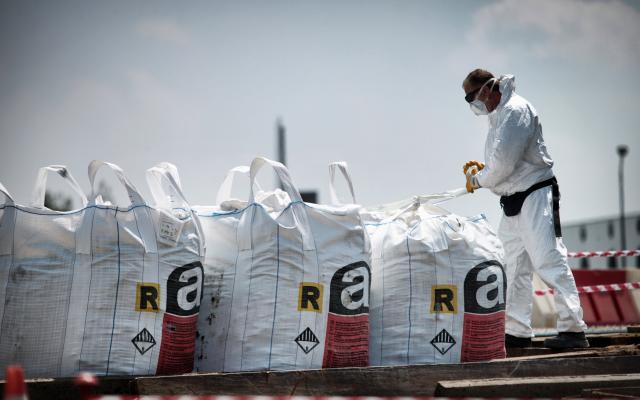
Asbestos Safety at Work: Royal Decree Publishes Amendment to the Codex
23 February 2026
New Asbestos Safety Legislation: What's Changing?
The Belgian Official Gazette recently published a new Royal Decree amending the Code on well-being at work, specifically regarding exposure to asbestos. This adjustment aims to strengthen the protection of workers and further limit the risks of health problems due to asbestos in work environments. In this article, we discuss the main changes, the impact on employers and employees, and what this new regulation means for compliance with existing well-being standards.
The Belgian Official Gazette recently published a new Royal Decree amending the Code on well-being at work, specifically regarding exposure to asbestos. This adjustment aims to strengthen the protection of workers and further limit the risks of health problems due to asbestos in work environments. In this article, we discuss the main changes, the impact on employers and employees, and what this new regulation means for compliance with existing well-being standards.

Direct participation in welfare policy
11 February 2026
Well-being at work in small businesses: practical approach without a committee
The well-being act obliges every employer – including in small businesses without a Committee for Prevention and Protection at Work (CPBW) – to promote the well-being of their employees. Involving employees simply and directly in the well-being policy is the key to a workable and legally compliant approach.
The well-being act obliges every employer – including in small businesses without a Committee for Prevention and Protection at Work (CPBW) – to promote the well-being of their employees. Involving employees simply and directly in the well-being policy is the key to a workable and legally compliant approach.

10 Tips to prevent battery fires
20 March 2025
Various incidents in the media show that batteries are not as innocent as they seem. It's not just the rechargeable batteries of electric bikes or cars, but also those of small devices such as power banks, hoverboards, smartphones, laptops, etc., that can catch fire or explode during or after charging. These devices usually use a type of lithium-ion battery. Although generally safe, these can spontaneously catch fire due to poor quality or various external factors (shocks, temperature...).
The annual action plan
6 November 2024
Het jaaractieplan over veiligheid op het werk is een noodzakelijk document voor elke kmo om een veilige en gezonde werkomgeving te garanderen. Dit plan beschrijft de acties die de organisatie jaarlijks onderneemt om risico's te beperken en een veilig werkklimaat te bevorderen. Voor een kmo is een duidelijke en praktische aanpak van groot belang, zodat het plan effectief kan worden geïmplementeerd zonder overmatige belasting van de middelen.
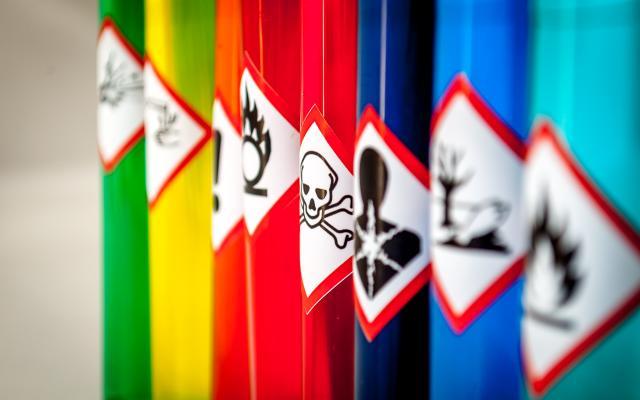
Adjustment of the regulations on chemical agents
11 December 2023
On December 4, 2023, an amendment was published in the Belgian Official Gazette concerning the safety of workers dealing with chemical substances. This Royal Decree introduces changes to the code on well-being at work.
Protection against endocrine disruptors
7 December 2023
In a continuous commitment to the health and well-being of employees, the government recently introduced groundbreaking legislation aimed at protecting employees from agents with hormone-disrupting properties.
24/08/2023 Deadline for training on diisocyanates
20 June 2023
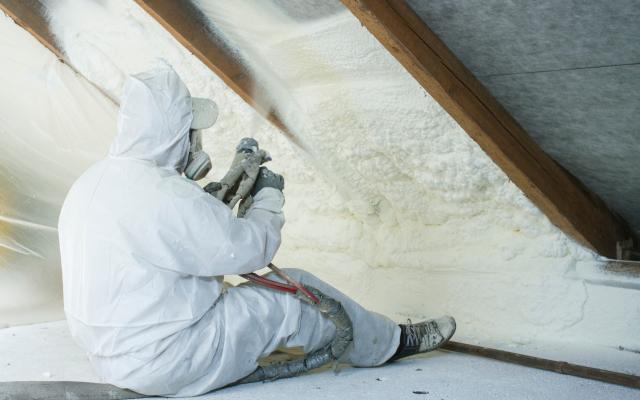
Diisocyanates are chemical products with many applications. Traditionally, a distinction is made between "aromatic diisocyanates" (such as MDI and TDI) and "aliphatic diisocyanates" (such as HDI, HMDI and IPDI).
Together with a polyol or polyether, diisocyanates react to form a polyurethane, which can be used in insulation foam, sealants, coatings, adhesives, etc.
Together with a polyol or polyether, diisocyanates react to form a polyurethane, which can be used in insulation foam, sealants, coatings, adhesives, etc.
FEDRIS - project on the early detection of sinonasal cancers in ex-woodworkers is continued
23 March 2023
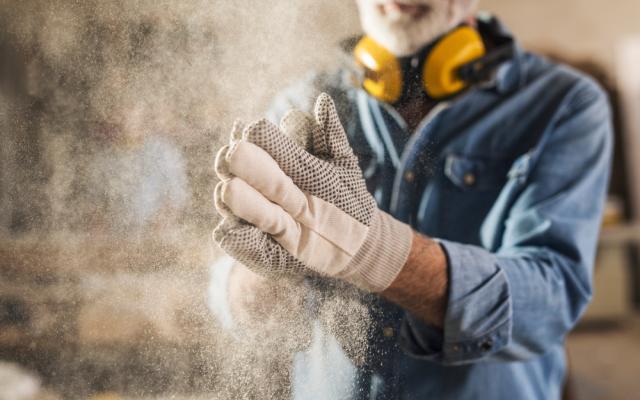
Fedris has extended its health surveillance project. The goal of this project is the early detection of sinonasal cancers in former woodworkers. An early diagnosis is important: the chance of recovery is much higher then.