Why is ventilation so important?

Work environments are often spaces where multiple people spend time together, leading to increased humidity and CO₂ concentration. This can significantly affect air quality, especially in offices and industrial buildings where natural ventilation is often limited.

Poor air quality at work can lead to complaints such as headaches, fatigue, respiratory problems, and allergic reactions, negatively affecting employees' well-being and performance.

Benefits of good ventilation

  • Reduces absenteeism: a well-ventilated work environment helps prevent the spread of germs, which is crucial in spaces with many employees and during times of viral outbreaks.
  • Improved concentration and productivity: fresh air ensures better oxygen supply, which increases alertness and reduces fatigue. This has a positive impact on employee productivity.
  • Supports employees with respiratory issues: people with conditions such as asthma or allergies benefit from controlled air quality. Well-ventilated spaces help reduce the severity of their symptoms.
lucht

Advice for optimal ventilation at the workplace

  1. Regular ventilation of workspaces
    Ventilate regularly by opening windows and doors, or preferably install mechanical ventilation systems that permanently supply fresh air and remove polluted air. This is especially important in enclosed spaces such as offices and meeting rooms where there is no direct access to windows, as well as spaces where pollutants may accumulate (e.g., printer rooms).
  2. Prevent temperature fluctuations
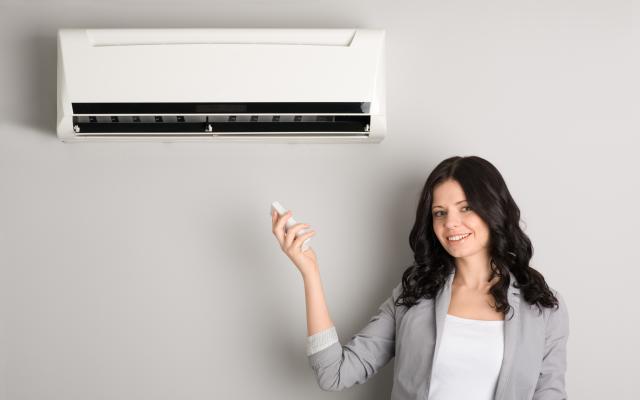
    Keep rooms at a constant temperature above 15°C to avoid condensation. Too cold rooms promote moisture accumulation, which stimulates mold growth. Also, when using air conditioning, it is advisable not to make the temperature differences with the outside air greater than 5°C, to prevent mucous membrane irritations and complaints of the respiratory tract and skin.
  3. Regular air quality measurements
    For companies, it is useful to periodically measure air quality to determine if additional measures are needed. CO₂ meters and air quality measurements can provide valuable insights and help make adjustments to ventilation systems.
  4. Prevention of moisture and mold in workspaces
    Especially in cellars, storage rooms and sanitary facilities, moisture can quickly accumulate. Prevent moisture problems by properly ventilating these spaces and by regularly cleaning damp surfaces. Humid working environments are susceptible to mold growth, which can exacerbate health problems such as respiratory irritations and allergies.
  5. Ergonomic workstations and draft prevention
    At excessively high ventilation speeds, drafts can occur, which can lead to neck and shoulder complaints, especially for employees who work a lot at a desk. The air velocity should preferably be lower than 0.16 m/s in winter and less than 0.19 m/s in summer to prevent these types of complaints (in other words, ensure that no employee is in the path of air movement). This ensures a comfortable and healthy workplace.

Support via Premed

Premed helps companies develop an approach for healthy aeration and ventilation at the workplace. Our prevention advisers offer support in drawing up and implementing of ventilation plans incl. measurements, adapted to the specific needs of the workspace. This way, we contribute to a sustainable, healthy and productive working environment.
Frequently asked questions

Ventilate regularly by opening windows or using mechanical systems, keep the temperature stable to avoid condensation, perform frequent air quality measurements, and prevent moisture and mold formation. Avoid bothersome drafts by limiting air currents to below 0.16 m/s in winter and 0.19 m/s in summer.

Related news

Label recognized air purification systems
7 May 2024

New rules for air purification systems

As of May 18, 2024, air purification systems must be recognized as effective and harmless by the FPS Public Health, Food Chain Safety and Environment. This is intended to limit the risk of viral infec...
Read more

Support via Premed

Do you want to improve air quality at work? Contact us for more information or a customized quote!
Contact us
I am already a customer

Wondering what makes Premed that little bit different as an External Service for Prevention and Protection at Work (ESPPW)? Discover the many benefits of becoming a Premed customer now!

* Required field