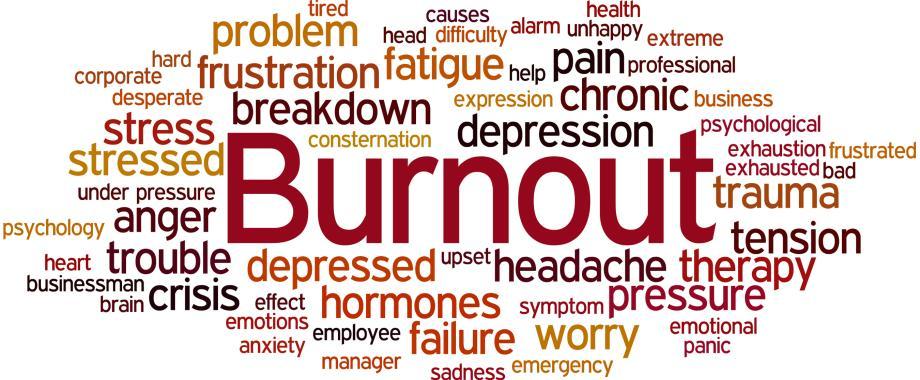
Recently, the RIZIV published figures regarding disability, which begins after one year of incapacity for work. It is important that for the past four years (2016-2020), an increase of no less than 39.23% was recorded in long-term burnouts and depressions.
That these figures continue to rise does not surprise us. For quite some time, organisations and employees have found themselves in a rapidly evolving, complex, and uncertain world. This brings with it all sorts of challenges, such as ever-higher expectations and workload, continuous availability, information overload, work-life imbalance, etc. This mix of challenges has accelerated for many after the outbreak of COVID. We therefore expect this negative trend in the figures to continue in the coming years.
Since, in addition to these challenges, we are also confronted with an increased retirement age, working longer together has never been so important.
The importance of creating peace of mind for yourself and keeping your work pleasant and manageable should therefore not be underestimated. Work is a marathon, not a sprint! Of course, part of the responsibility for this lies with the government, but organisations and employees can and must also take action themselves. Providing a pleasant and workable environment, but also offering tools to cope with stress, are crucial to staying mentally fit and facing these challenging times.
If you wish to examine workplace stress or further address it, know that Premed can assist you in this. Support is offered in the form of, among other things, training courses, coaching, or the implementation of a psychosocial risk assessment. Especially post-Corona, it is an indispensable exercise to map out well-being at work, to take this 'snapshot' and determine the further course. If you would like to get started with this, do not hesitate to contact the psychosocial team.
If you are interested in the detailed disability figures from the RIZIV, be sure to take a look at Long-term incapacity for work: How many long-term burnouts and depressions? How much does that cost in benefits? - RIZIV (fgov.be)